Research shows that drinking alcohol comes with health risks, which vary in severity depending on the amount someone drinks regularly. Centers for Disease Control and Prevention (CDC), “moderate drinking” is defined as one drink per Alcoholics Anonymous day for women and two for men. The U.S. Department of Agriculture (USDA) defines one serving of red table wine as 5 ounces (oz). These are substances that promote urine production, or diuresis.

Alcohol Poisoning: Signs, Symptoms & Treatments
- Antioxidants are important for maintaining good health because they protect your cells from damage.
- Ethanol is a toxic compound that impairs the normal function of cells, tissues, and organs.
- The amount of resveratrol found in a typical serving of red wine is relatively low, and many of the studies demonstrating these health benefits use much higher concentrations.
- Yes, red wine can dehydrate you because it has diuretic effects.
They note that in moderate amounts, red wine does not significantly contribute to dehydration when balanced with water intake. According to the Centers for Disease Control and Prevention (CDC), beverages such as red wine can be part of fluid does alcohol make you dehydrated intake, as they do contain water content. In terms of health effects, red wine has some potential benefits.
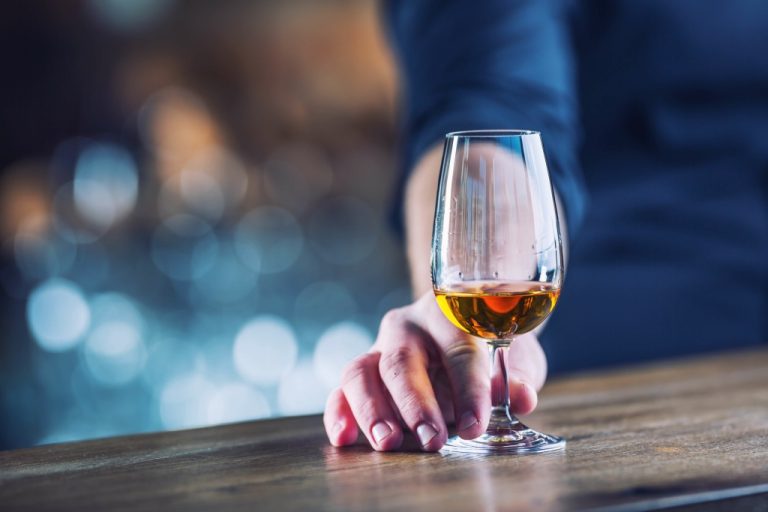
What makes a wine dry?
Alcohol can enhance the effects of the medication, especially those that act upon the central nervous system (e.g., increasing the sedative effects of a tranquilizer). In some cases, wine can also interfere with the metabolism of the medication. Since the same liver enzymes metabolize both alcohol and medications, alcohol can impact how effectively your body processes and responds to the medication. As such, it might increase the side effects of https://ecosoberhouse.com/ your medicine or reduce its effectiveness.

Dry Red Wines
- When we consume alcoholic beverages, including wine, our bodies prioritize metabolizing the alcohol over absorbing water.
- So, does all of this mean that wine does not have any dehydrating effects at all?
- Consuming alcoholic drinks can stop you from achieving successful keto dieting results, even if they aren’t high-carb.
- Generally, wine contains around 80-85% water, with the remaining 15-20% consisting of alcohol, sugars, and other compounds.
- If you drink a glass of water for each glass of wine you down, you may never feel the effects of dehydration at all (and you’ll still get a slight, though pleasant, buzz).
- Drink plenty of plain water, an electrolyte drink or sports drink, and eat water-rich, easily digestible foods.
Yes, red wine is generally more dehydrating per glass than white wine because it typically has a higher alcohol content. Additionally, red wine has more tannins and congeners, which can contribute to a more pronounced hangover effect. Ultimately, it’s the ethanol content in red wine that is the primary driver of dehydration, although tannins, congeners, and individual factors also play a role.
Does alcohol cause dehydration?
- They report that excessive alcohol use led to around 178,000 deaths in the U.S. between 2020 to 2021, shortening the lives of those who died by an average of 24 years.
- Their acidity and tannins make them excellent companions for rich dishes such as grilled meats, robust pastas, and aged cheeses.
- The California variety of Zinfandel is usually bold, with ripe flavors including blueberry and peach.
- Lighter wines, such as dry white wines or rosés, generally have lower alcohol levels compared to full-bodied red wines.
If you’re dealing with weight gain or health conditions from heavy drinking, it could take a few weeks or months after cutting back to see positive effects. Besides the belly bloat you’re dealing with from those excess calories and gastro effects, alcohol consumption can also dry out your skin. The result can mean itchy, irritated skin and facial puffiness, especially under your eyes. Excess calories, irritation of your stomach lining, and dehydration are all causes of bloating after drinking alcohol. A dry wine with high alcohol content can contain more calories than a sweet wine with a lower alcohol percentage.
0 Comments